
For families moving to Japan, choosing a school for their children is a major issue. When transferring from a Chinese junior high school to Osaka, it is important to compare the language of instruction, curriculum, future education options, tuition and admission requirements.
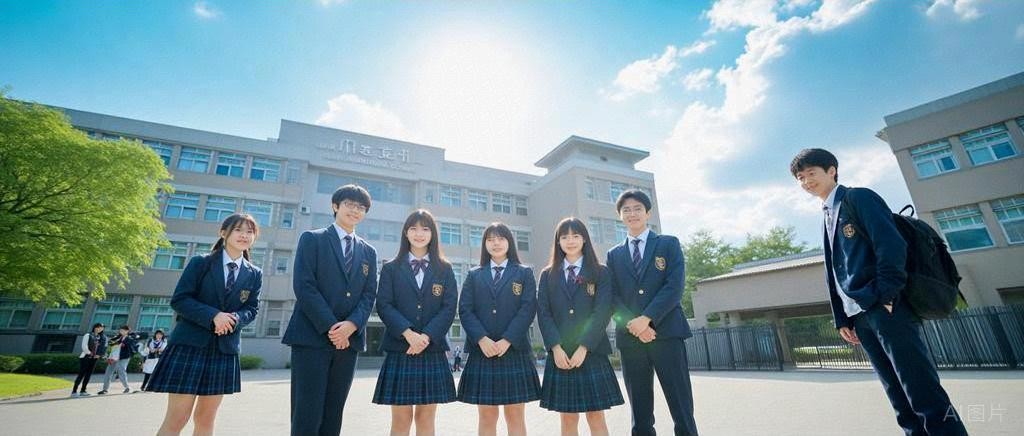
1. Osaka International School (OIS)
OIS offers the International Baccalaureate PYP, MYP and DP. Its primarily English-language environment is one option for families considering overseas university education. Admission may include review of English ability, interviews and academic records.
2. Osaka YMCA International School (OYIS)
OYIS incorporates IB education and offers a multicultural learning environment. Admission screening and English-language assessment vary by grade.
3. Abroad International School Osaka (AIS Osaka)
AIS Osaka provides an international educational environment with classes mainly conducted in English. School-designated documents, interviews and other screening may be required.
4. One World International School Osaka (OWIS Osaka)
OWIS Osaka adopts an international curriculum and emphasizes inquiry-based learning. Tuition and admission conditions vary by grade and program.
5. Osaka Prefectural Suito Kokusai Junior and Senior High School
This public combined junior and senior high school emphasizes international understanding and IB education. Because its entrance system, language of instruction and tuition framework differ from private international schools, it should be compared separately.
What to check when choosing a school
- Curriculum type, such as IB, AP or British curriculum
- Language of instruction, English support and availability of Japanese-language education
- Entrance examinations, interviews and required documents
- Total annual cost including tuition, entrance fees, facility fees, meals and school buses
- Commute time and transportation
- Post-graduation pathways and university admission records
Rather than choosing by school name alone, compare options based on the child’s language ability, future education plans and the family’s educational priorities.