
A residence card is an important document proving identity and residence status for mid- to long-term foreign residents in Japan. It is often required for resident registration, health insurance, bank accounts, rental contracts, employment and other procedures.
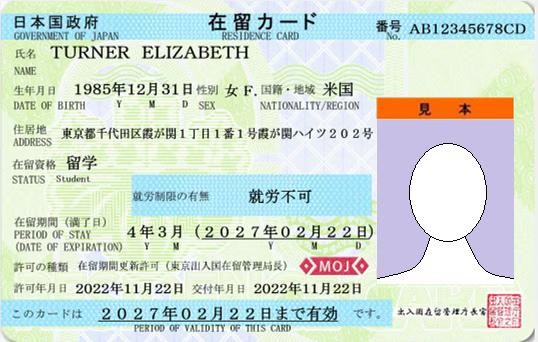
1. Receiving a residence card
When entering through certain major airports, a residence card may be issued at the time of landing permission. In other cases, it may be mailed after the residence address is reported. The method depends on how and where the person enters Japan.
Photographs for persons under 16
For persons below the prescribed age, a facial photograph may not appear on the card. As the person approaches age 16, renewal procedures and submission of a photograph may be required.
2. Main obligations for persons aged 16 or older
Carrying the card
As a rule, the residence card must be carried at all times and presented when lawfully requested by a police officer or other authorized official.
Reporting changes
When changing address, complete the required move-in or address-change procedures with the municipality. Changes to prescribed matters such as name, nationality/region, sex or date of birth must also be reported.
Extending the period of stay and renewing the card
Apply for an extension before the period of stay expires. Permanent residents also need to renew the residence card itself because the card has an expiration date.
Returning the card
The card must be returned in certain circumstances, such as permanent departure from Japan or other situations prescribed by law.
3. Loss, theft or damage
If the card is lost or stolen, report it to the police and apply for reissuance within the prescribed period. Serious damage may also require a reissuance procedure.
4. Be careful about legal obligations
There are legal obligations concerning carrying and presenting the card, reporting changes, renewal and return. Check the information and expiration date regularly so deadlines are not missed.